


OUR
Key Facts.
OUR HOLDING COMPANY:
WELL STRUCTURED.
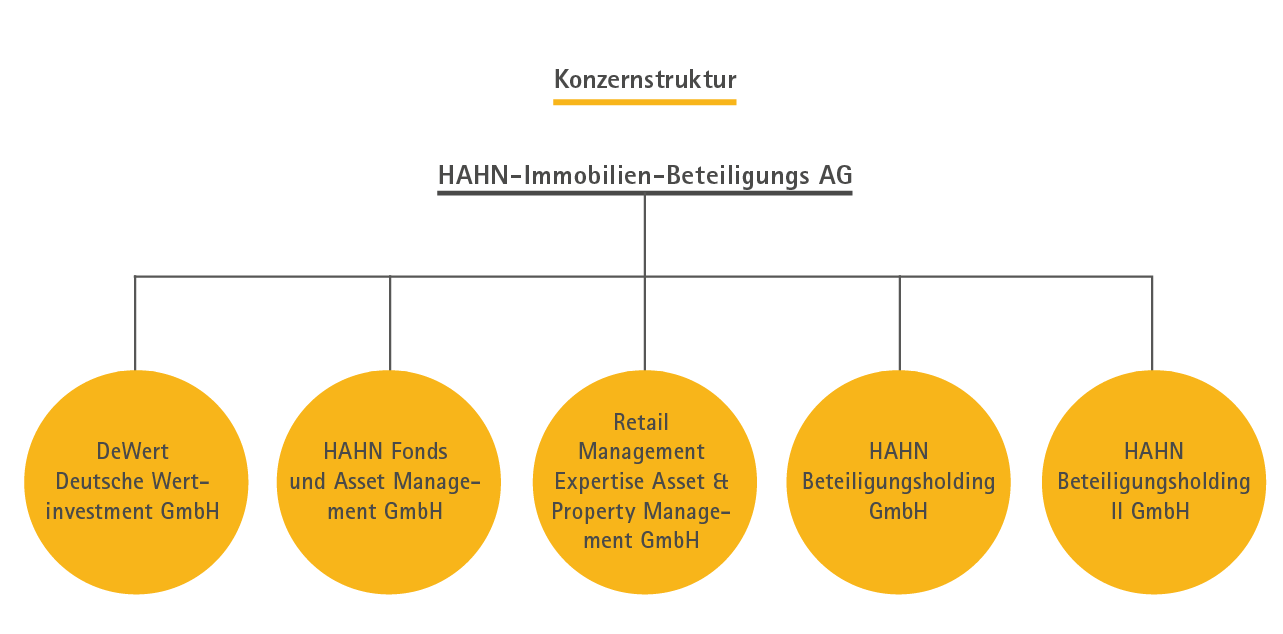
The corporate structure of the Hahn Group is organized as a holding company and covers the entire value chain of the real estate we manage. Our operational subsidiaries are housed under the roof of the holding company.
As a holding company based in Bergisch Gladbach, HAHN-Immobilien-Beteiligungs AG performs the central management function of the Hahn Group.
It has two operating subsidiaries that are also based in Bergisch Gladbach.
The capital management company DeWert Deutsche Wertinvestment GmbH counts the management of Alternative Investment Funds (AIF) in the form of domestic closed-ended or open-ended retail and professional AIFs, portfolio management, and risk management among its core tasks.
The subsidiary HAHN Fonds und Asset Management GmbH bundles the real estate management activities of the Hahn Group provided for the managed investment vehicles. These include acquisition, asset management, project development, and property management.
The subsidiary Retail Management Expertise Asset & Property Management GmbH, based in Oberhausen, primarily provides center management and property management services for third parties, independent of the Hahn Group's investment fund business.

Our
Management.
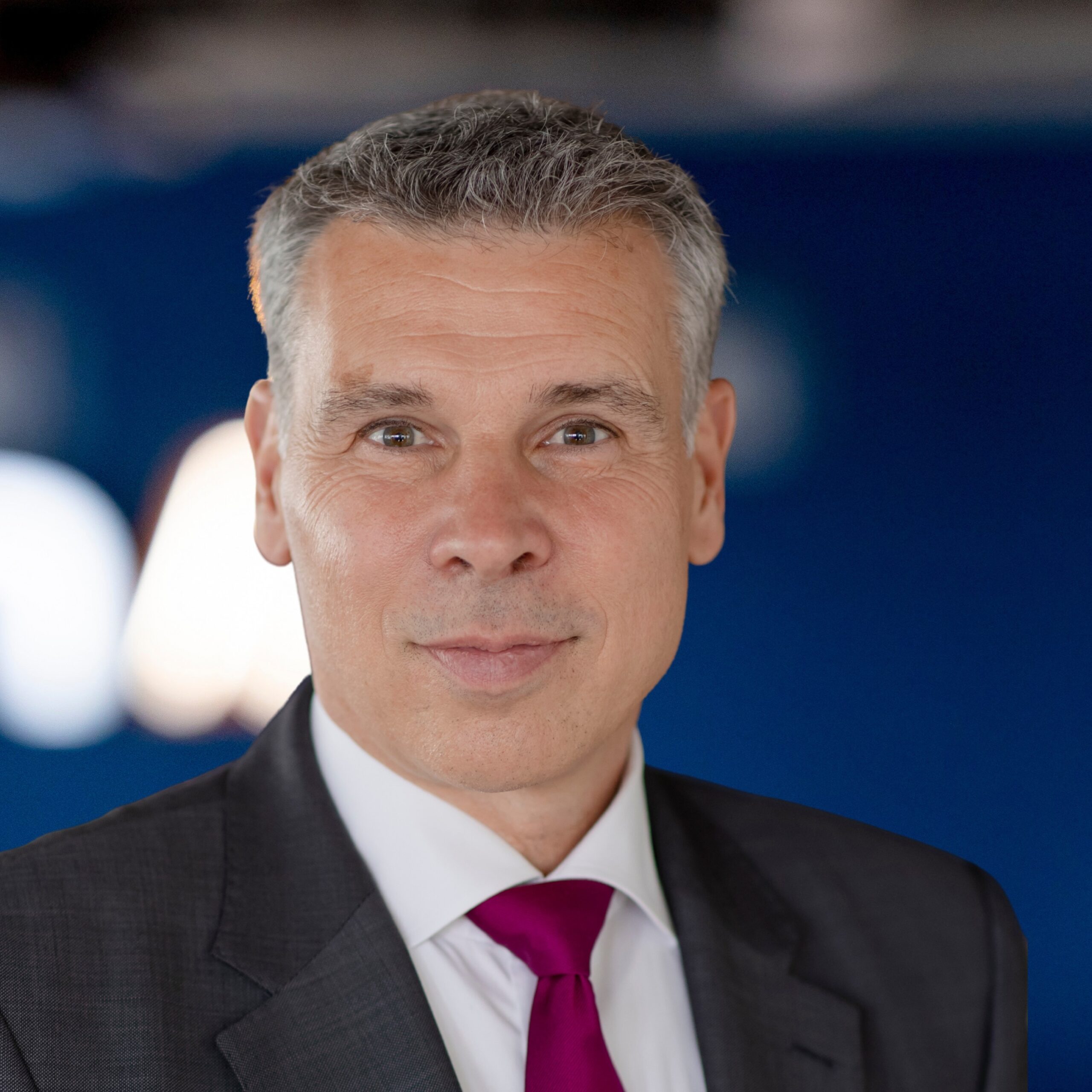
THOMAS KUHLMANN
Chief Executive Officer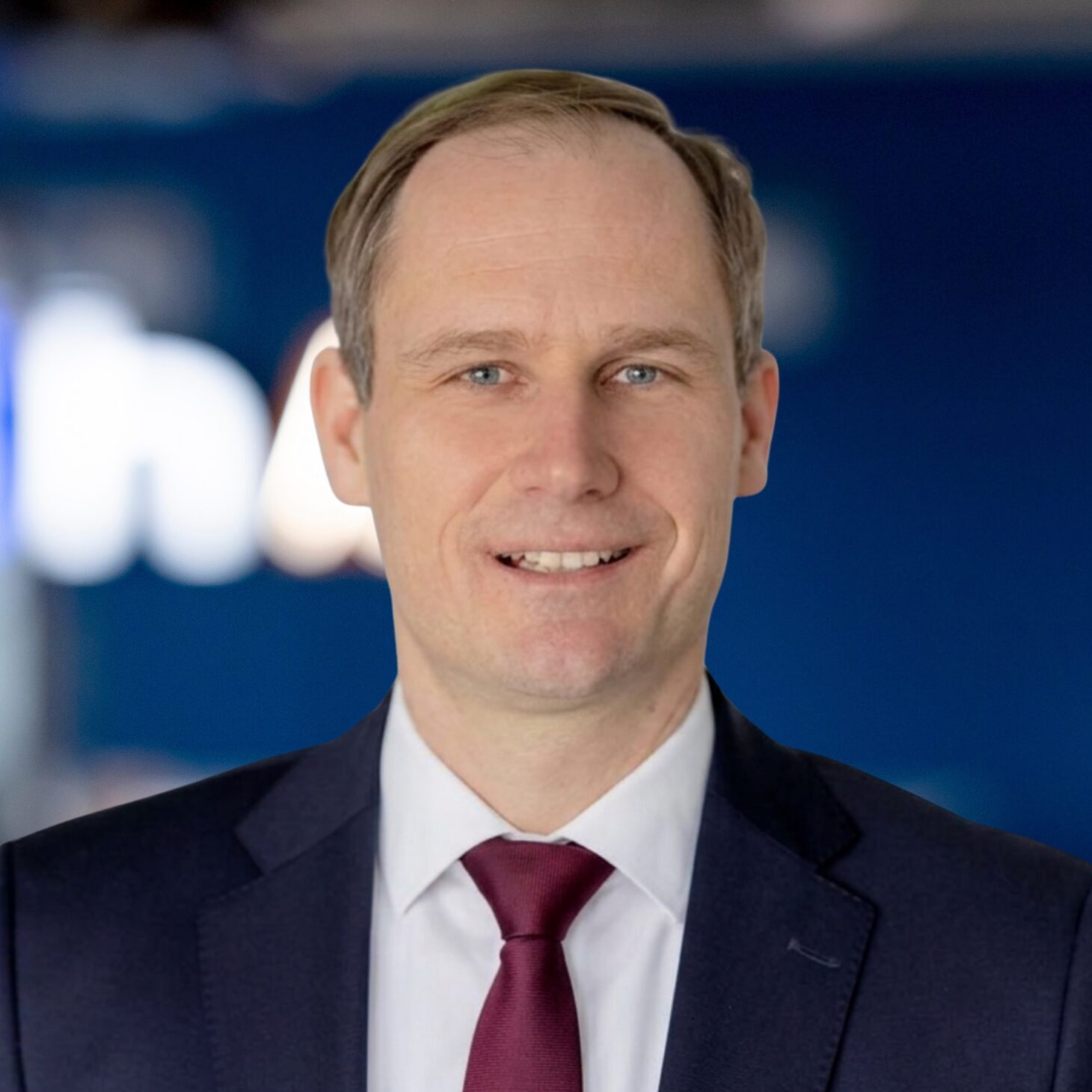
CHRISTOPH HORBACH
Member of the Executive Board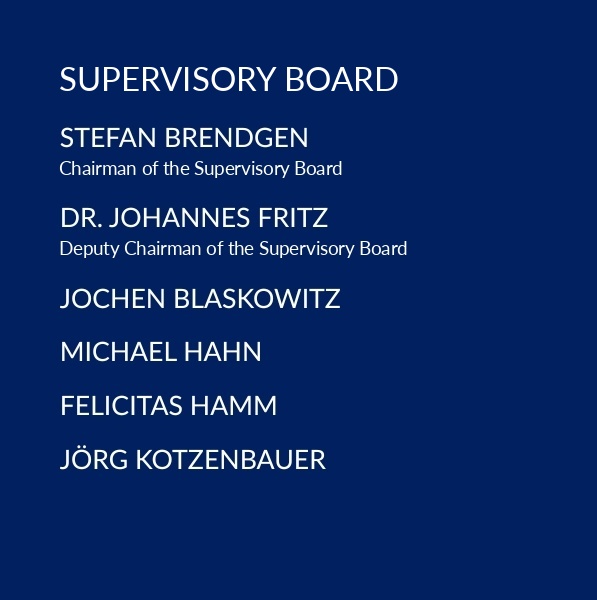 0
/ 0
0
/ 0

Marcel Schendekehl
Managing DirectorDeWert Deutsche Wertinvestment GmbH
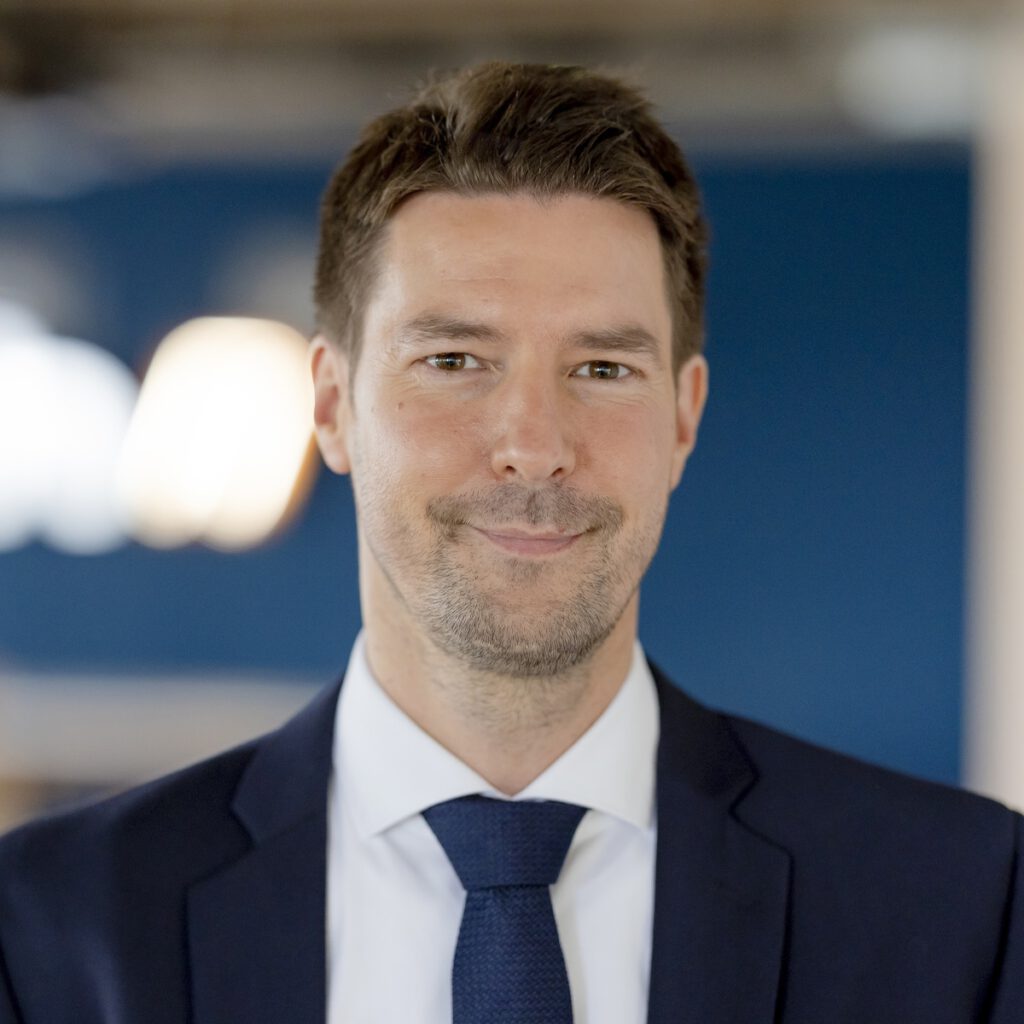
Torsten Klotz
Managing DirectorDeWert Deutsche Wertinvestment GmbH
Head of Accounting and Controlling

Marcel Wiening
Managing DirectorHAHN Fonds & Asset Management GmbH

Kio Tindl
Managing DirectorHAHN Fonds & Asset Management GmbH
Frank Eckervogt
Managing DirectorHAHN Fonds & Asset Management GmbH
Our
Company founder
Michael Hahn founded the predecessor companies of today's Hahn Group in 1982. His pioneering business idea – the conception and distribution of real estate funds focused on investing in large-scale retail properties – remains part of the Hahn Group's core business today. Over several decades, Michael Hahn developed the former family-owned business into a management-led real estate and investment company. Michael Hahn has since withdrawn from day-to-day operations and serves as a member of the Supervisory Board of Hahn AG. He and his family are also long-term majority shareholders of Hahn AG.
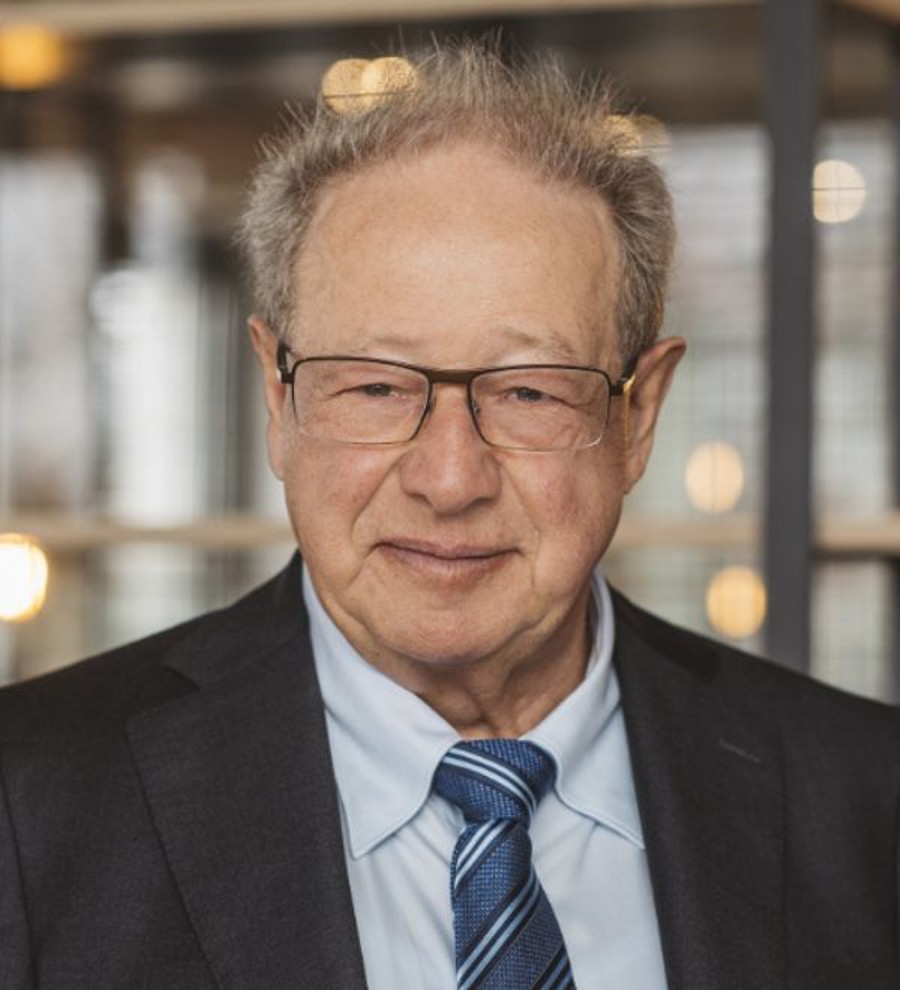
„We bear a great responsibility for the future of our investors. We are aware of this and therefore deliver genuine quality work every day.“
Michael Hahn, founder of the Hahn Group
OUR STRATEGY
AND VALUES.
We feel responsible for our customers at all times. After all, they entrust us with their money. This is the driving force behind our daily work. Therefore, we align our corporate strategy and our moral compass accordingly.

The capital market-related services include the conception, structuring, and marketing of real estate-based investment and financial products, as well as portfolio management and investor relations.

The management services cover the entire life cycle and all stages of the value chain of a long-term real estate investment. In this way, we ensure high quality and the greatest possible investment success.

Real estate-related services range from buying and selling, letting and management, to the revitalization and redevelopment of properties.

The investor Hahn Gruppe invests in launched real estate funds and joint venture portfolios in order to generate additional income and increase the alignment of interests with investors.

Success and satisfaction of our investors


readiness: Performance through commitment and determination

Together to success

Living responsibility

holistic.
OUR LOCATION:
FOUNDATION OF OUR WORK.
HAHN GROUP
BUDDESTRASSE 14
51429 BERGISCH GLADBACH

view

At home in the Rhineland, active for you throughout Germany. We are headquartered in Bergisch Gladbach. Right in the best neighborhood near Bensberg Castle, over 180 employees work for our clients. As part of the Rhineland, we have perfect connections, whether local, regional, or national. We are always on-site for our properties, but we also always welcome visits from our business partners.
OUR AGENDA:
SUSTAINABILITY.
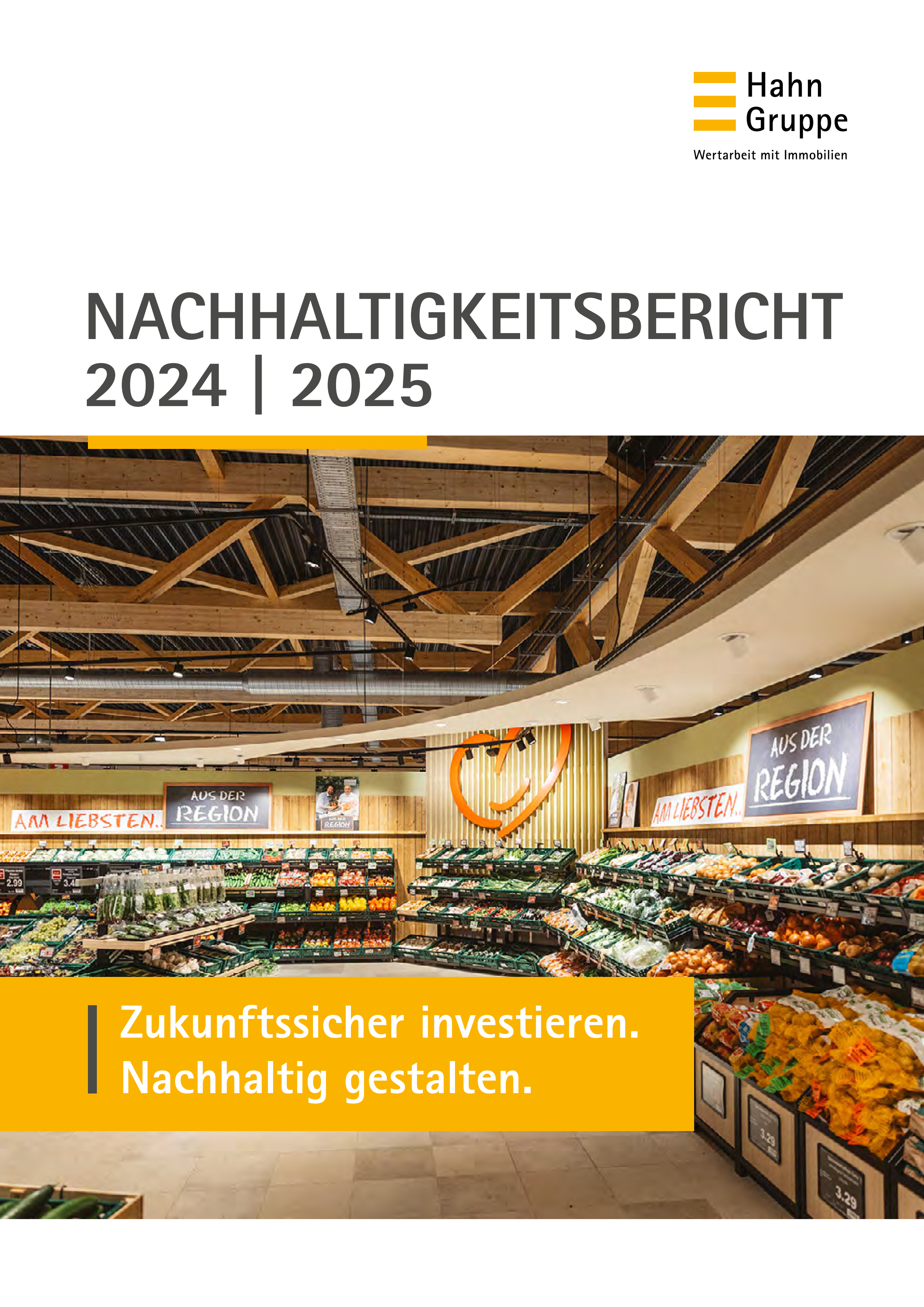

We are aware of our responsibility regarding environmental and sustainability aspects in the value chain of retail and mixed-use real estate. The topics of climate protection, renewable energies, and decarbonization have moved to the center of public interest in view of the increasingly clear impacts of climate change, the media disclosure of injustice and inequality of any kind, and rising energy costs. The interplay of these factors has led to a paradigm shift in business and society and has influenced European and national politics. We as the Hahn Group are rising to these challenges and pursuing a long-term ESG agenda.
OUR
SUSTAINABILITY PROCESS.
For our real estate portfolio, sustainability is not a one-off measure, but rather an ongoing optimization process throughout the entire lifecycle of a property. Accordingly, a certain long-term perspective in the planning and use of the property is of central importance. In our understanding, this forms the basis for innovation and successful investments.





Revitalization
End of life
OUR ESG OBJECTIVES.
 ESG in general
 Environmental
 Social
 Governance
ESG – Environmental, Social, and Governance – describes the key sustainability-related areas of responsibility in corporate actions. Environment means the environment and includes topics such as environmental pollution and risks, greenhouse gas emissions, energy efficiency issues, and resource consumption. Social encompasses aspects such as occupational health and safety, diversity, and social engagement. Governance stands for, among other things, value-driven corporate management, executive compensation, anti-corruption, sponsorship, tax optimization, equality, and investor protection.
We ensure environmental protection and bear ecological responsibility:
- Climate compatibility (reduction of the ecological footprint), resource and energy efficiency
- Promotion of e-mobility, sustainable corporate mobility, and the installation of a future-proof fast-charging infrastructure at retail real estate
- Promoting the circular economy
- Environmentally friendly construction/revitalization
- ESG compliance of real estate fund products
We take our social and societal responsibilities seriously:
- Social Responsibility / Corporate Volunteering
- Employee development and continuing education funding
- Local and social commitment
- Diversity, Inclusion, and Equal Opportunity
- Occupational safety and health
- Work-Life Balance/Flexible Work Arrangements
- Digitalization Strategy
We operate our business in compliance with ESG principles:
- Dialogue and transparency with various stakeholders
- Long-term financial stability
- Sustainable Real Estate Fund Products
- Compliance
- Compliance with Legal Requirements
- Privacy Policy
- Certification & Benchmarking (Property and Product Level)
- Strategic Partnerships
- ESG-oriented green lease components
OUR ESG BEST PRACTICES.
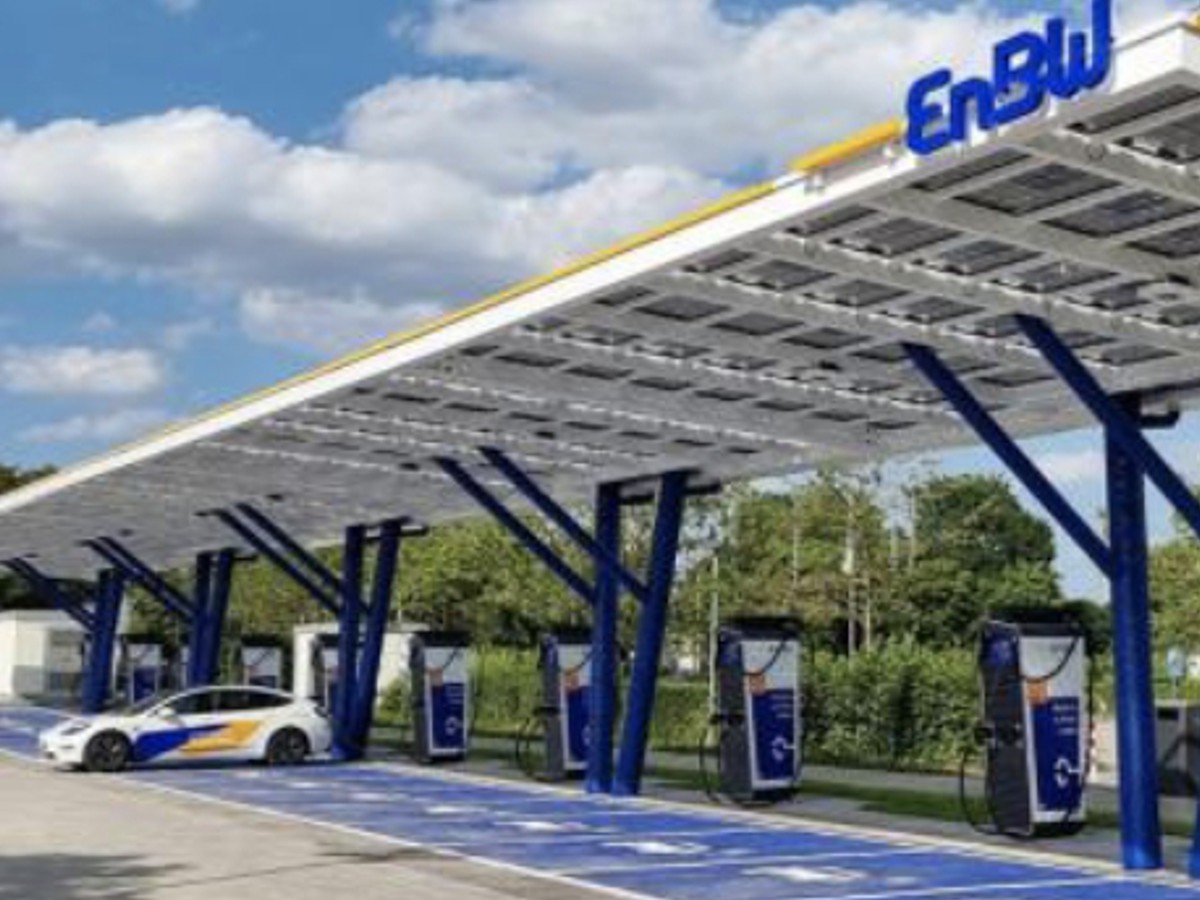
High Power Charging (HPC): On September 2, 2021, ahead of the International Motor Show (IAA) in Munich, EnBW’s new flagship charging station was opened in the parking lot of an EDEKA supermarket in Unterhaching. The charging infrastructure there includes ten Alpitronic charging stations with a charging capacity of up to 300 kW, allowing electric cars to gain 100 kilometers of range in just five minutes. The roof is also equipped with a large-scale photovoltaic system in line with climate protection goals. The modules can generate up to 46 kW of power.
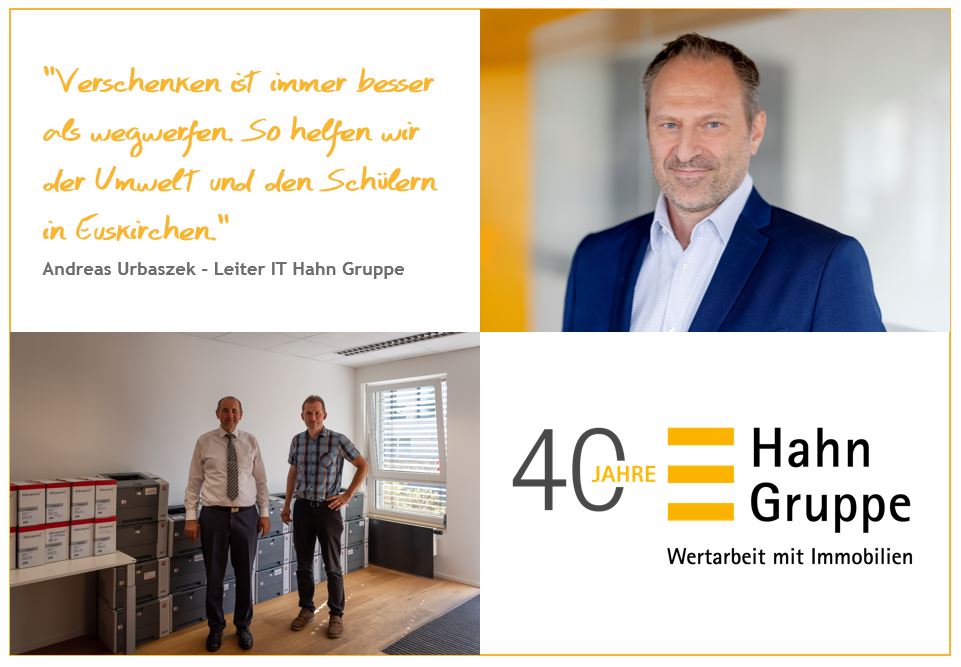
In August 2022, the Hahn Group donated a total of 21 HP desktop printers, including accessories, to the School and Preschool Association in Euskirchen.
„The devices are in good condition and we are very pleased that we were able to help quickly and with no red tape,“ said Andreas Urbaszek, Head of IT at Hahn Group, expressing his delight about the initiative.
The Hahn Group takes its social responsibility very serious and will continue to help in the coming years whenever possible.
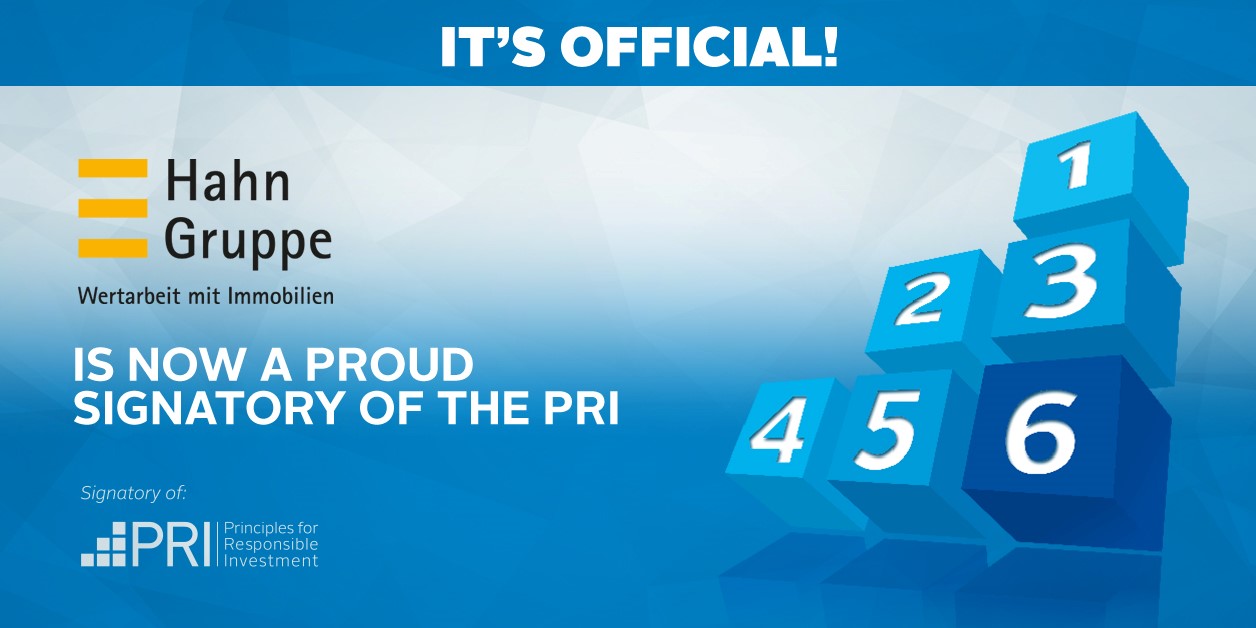
The Hahn Group has signed the UN Principles for Responsible Investment (PRI) and has officially joined the network of supporters. This United Nations initiative promotes adherence to international principles for responsible investment. As such, signatories commit to systematically incorporating environmental, social, and governance (ESG) factors into their investment and decision-making processes.
Together with its international network of signatories, the United Nations PRI initiative is dedicated to the practical implementation of the six Principles for Responsible Investment. Its goal is to better understand the impact of investment activities on environmental, social, and corporate governance issues, and to support signatories in integrating these matters into their investment decisions.
Our expert.
For Sustainability Issues.

For questions regarding sustainability and ESG, Marc Weisener is available as your contact person. For all other inquiries, please use our contact form.
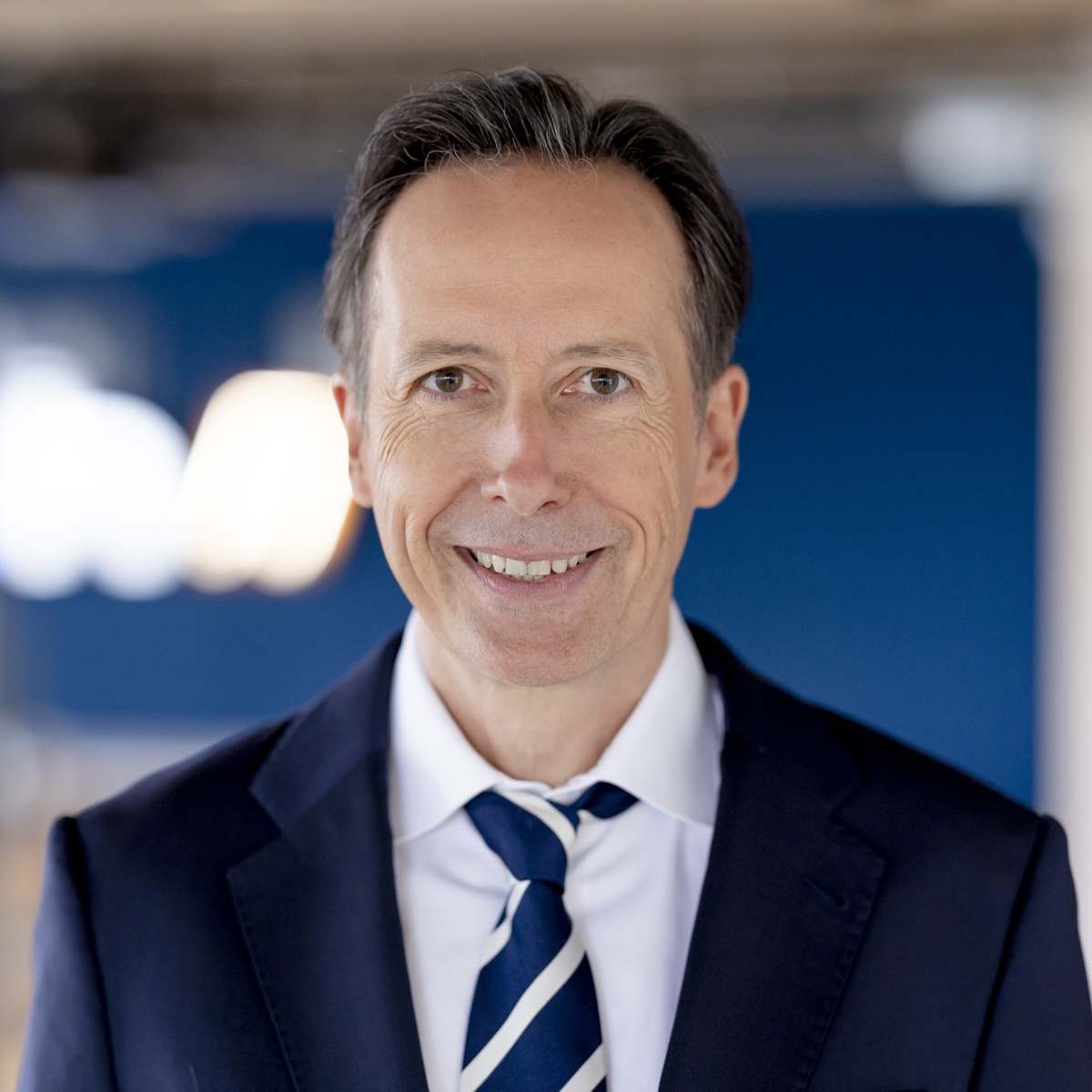
Marc Weisener
Head of Investor Relations & Communications
Tel. +49 2204 9490-118
E-Mail: mweisener@hahnag.de
SOCIAL MEDIA POSTS
OUR
NEWS.
Real estate funds, real estate transactions, new leases, market information: We'll keep you up to date on all the latest developments here.
 0 /
0 /

Hahn Sierra Food Retail Fund acquires Mercadona portfolio
Hahn Sierra Food Retail Fund acquires Mercadona portfolio
The „Hahn Sierra Food Retail Fonds,“ founded and managed jointly by the Hahn Group and Sonae Sierra, has acquired a portfolio of nine supermarkets in Spain. The seller of the portfolio is an international institutional investor. All properties are fully and long-term leased to Mercadona, the market leader in Spanish food retail. The investment volume amounts to over 60 million euros. As a result, the portfolio, which was already announced in May and had been in exclusive negotiations since then, is now firmly integrated into the fund's portfolio.
Read article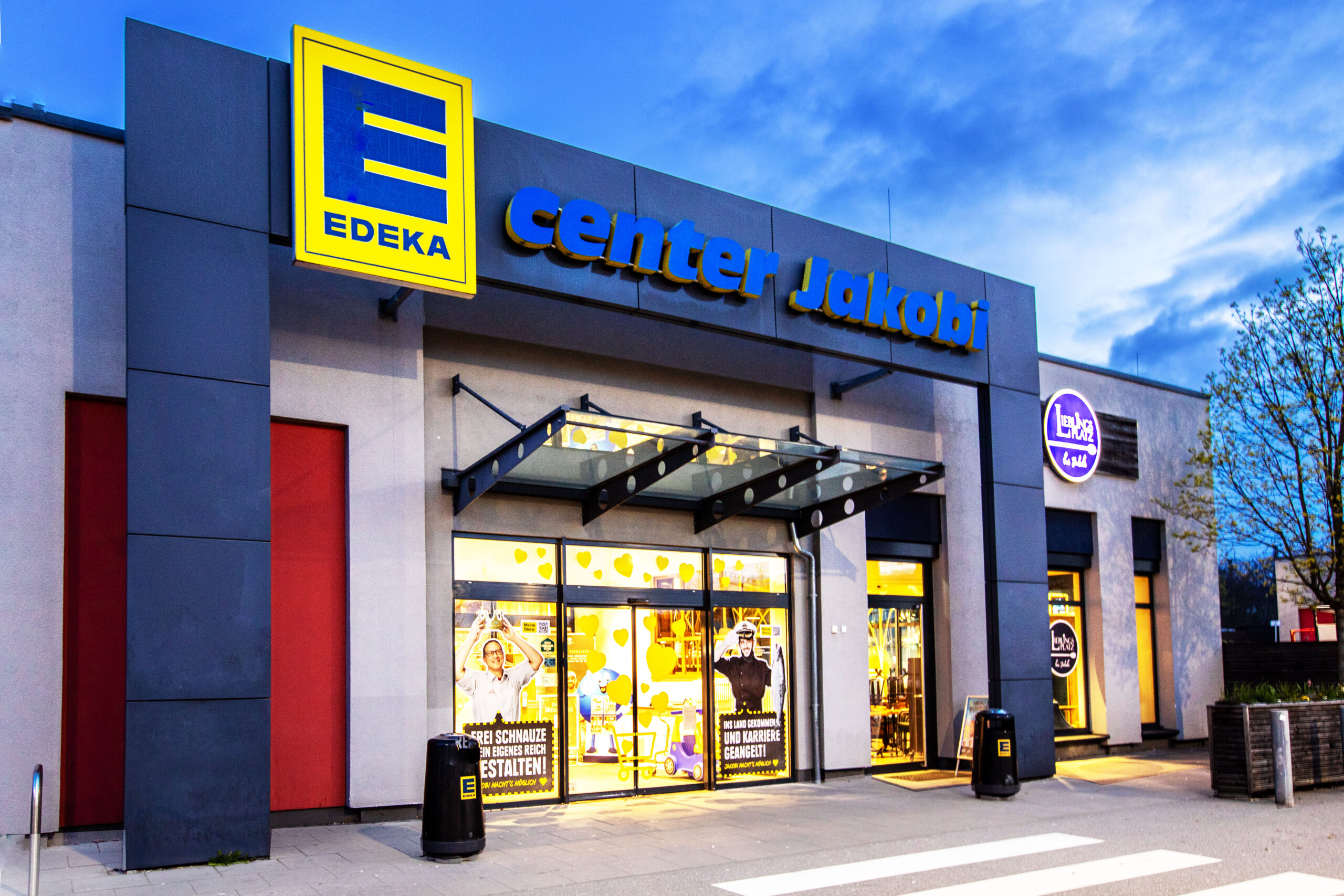
Sales launch: Hahn Pluswertfonds 187 invests around 44 million euros in Bensheim
Sales launch: Hahn Pluswertfonds 187 invests around 44 million euros in Bensheim
The Hahn Group is currently marketing a new closed-end public AIF. The real estate fund „Hahn Pluswertfonds 187 – Fachmarktzentrum Bensheim,“ launched by the asset management company DeWert Deutsche Wertinvestment GmbH, is investing approximately 44 million euros in a fully leased retail park anchored by a grocery store in downtown Bensheim, Hesse.
Read article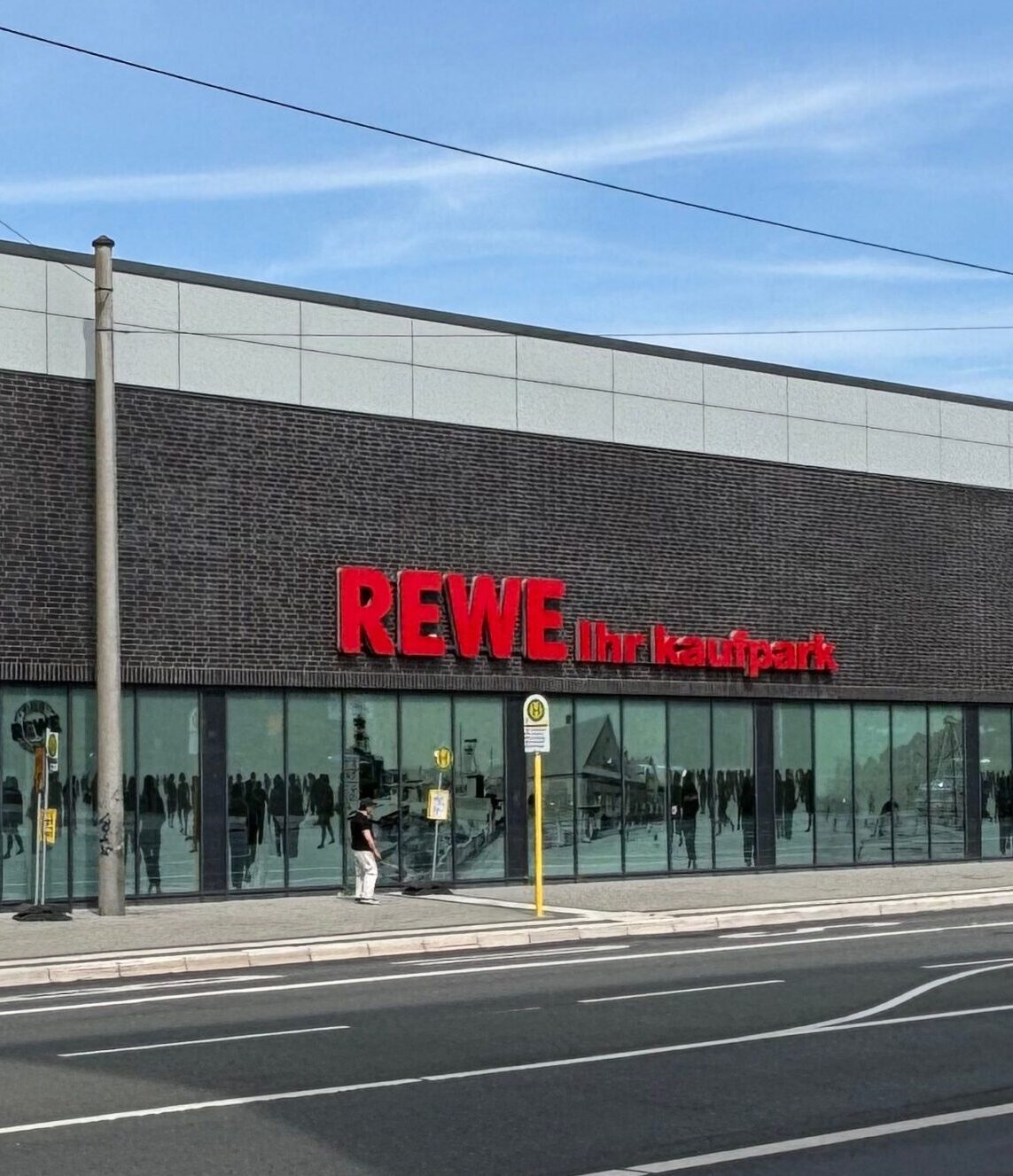
Hahn Group acquires REWE store in Oberhausen
Hahn Group acquires REWE store in Oberhausen
The Hahn Group has acquired an established REWE hypermarket in Oberhausen for an institutional local-supply individual fund launched at the end of 2025. The seller of the property is a German family office. Legal advice was provided by McDermott Will & Schulte. Technical due diligence was conducted by imtargis, Cologne. The transaction was brokered by the real estate agent Brockhoff, Essen.
Read article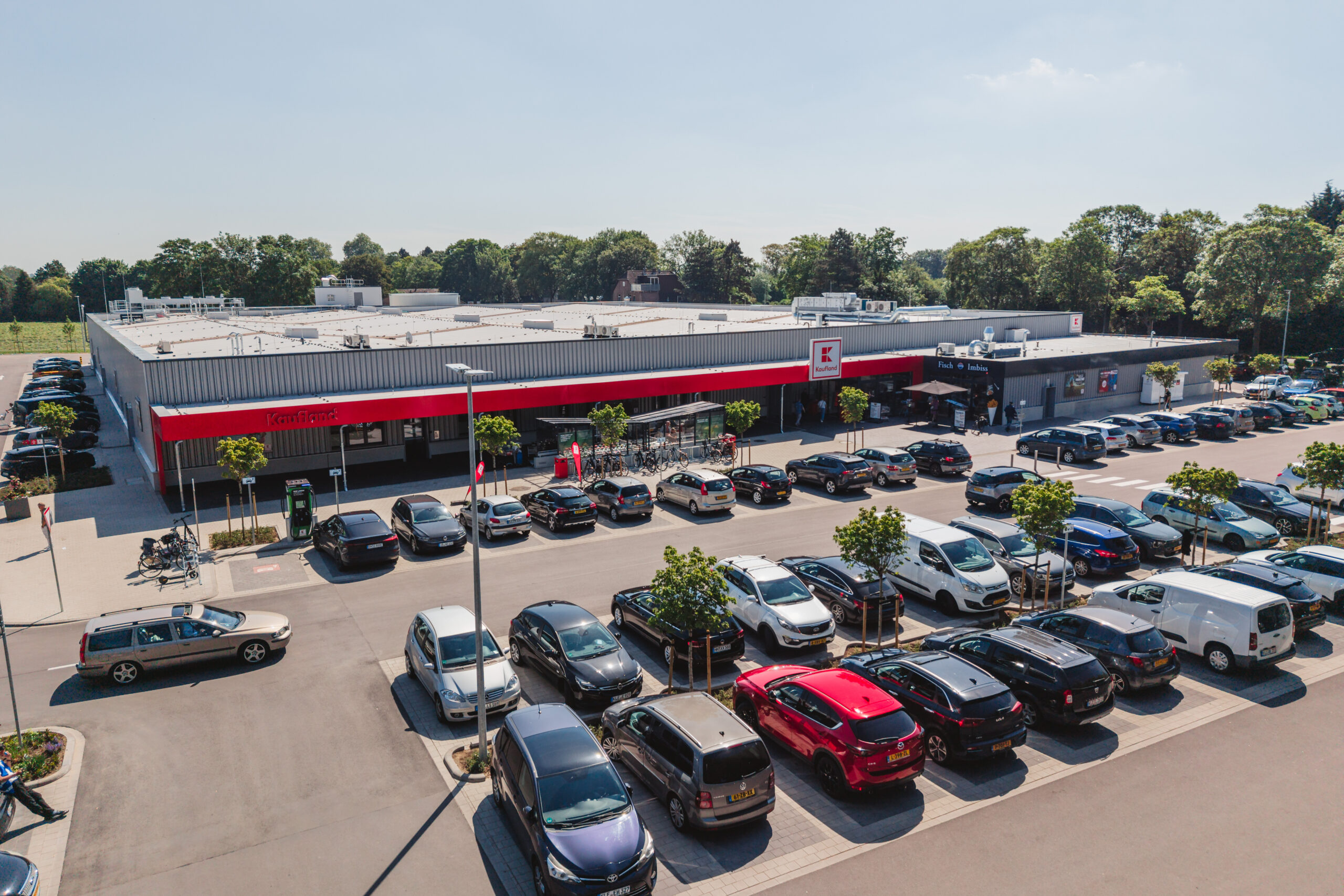
Successful revitalization and reopening of the Kaufland location in Kleve
Successful revitalization and reopening of the Kaufland location in Kleve
Kaufland and a real estate fund of the Hahn Group have invested a double-digit million euro amount in the comprehensive revitalization of the long-term leased Kaufland location on Olmer Straße / Emmericher Straße in Kleve, North Rhine-Westphalia. The modernized store reopened at the end of May after a construction period of just under ten months.
Read article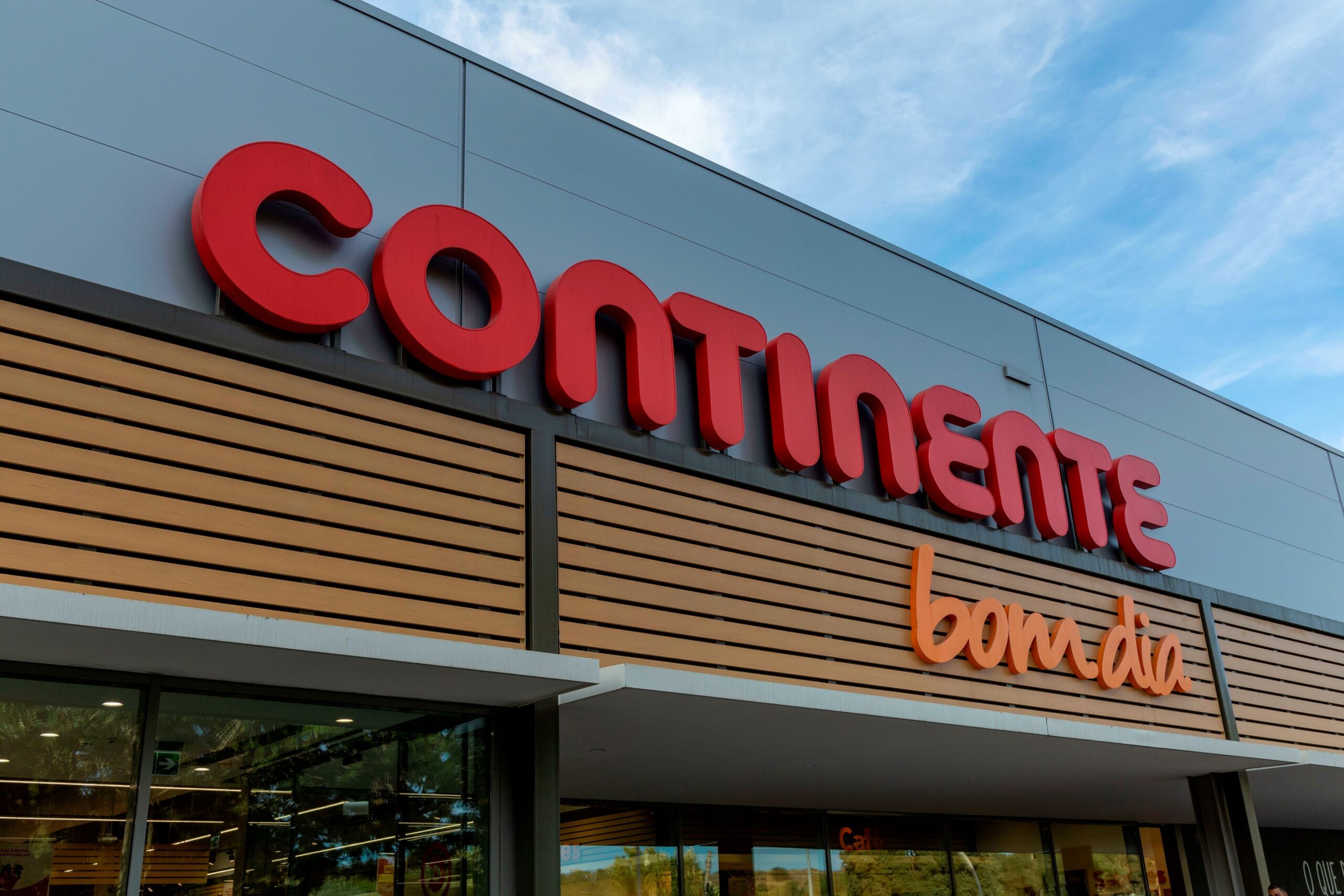
Successful start: Hahn Group and Sonae Sierra invest over €70 million in food retail for Southern Europe fund
Successful start: Hahn Group and Sonae Sierra invest over €70 million in food retail for Southern Europe fund
The Hahn Group and Sonae Sierra have made the first acquisitions for the recently launched „Hahn Sierra Food Retail Fund.“ An Eroski hypermarket in San Sebastián (Spain) and two Continente hypermarkets in Portugal were acquired for the open-ended special AIF. Purchase options exist for two additional Continente markets in Portugal, the completion of which is expected to take place by the end of the year. The total investment volume for all five assets amounts to over 70 million euros. In addition, a portfolio worth over 60 million euros is currently in exclusive negotiations.
Read article
Magazine for the 2025 Annual Report
Magazine for the 2025 Annual Report
With the magazine accompanying the 2025 Annual Report, the Hahn Group opens up a perspective on a year characterized by growth, new outlooks, and strategic decisions. Discover the most important developments, groundbreaking projects, and the people behind the success—presented in a compact, visual, and inspiring way.
Read article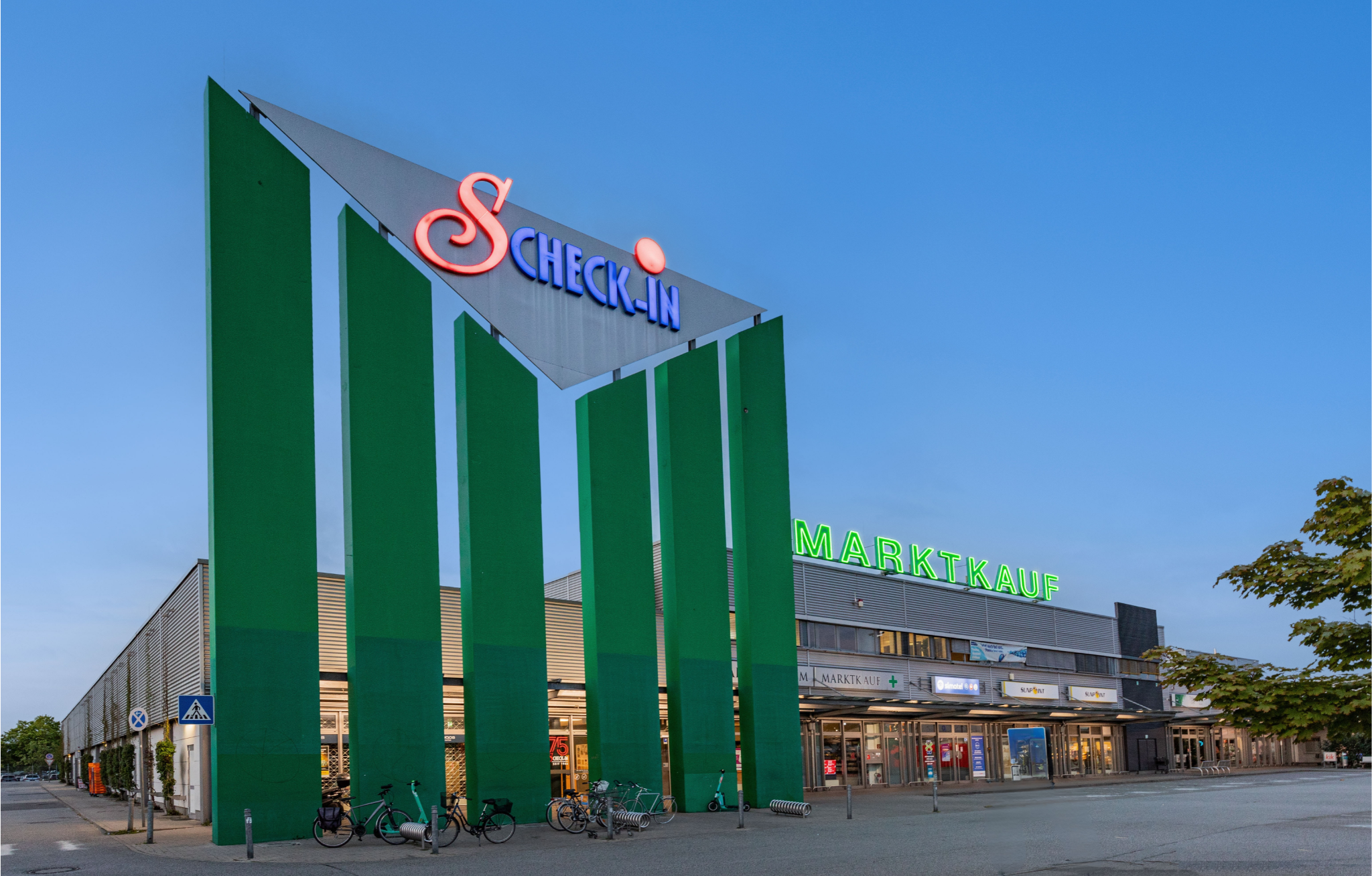
Hahn Pluswertfonds 185 successfully placed
Hahn Pluswertfonds 185 successfully placed
The Hahn Group has successfully placed the retail AIF „Hahn Pluswertfonds 185 – Mannheim Retail Park“. The closed-end real estate fund, launched in February 2026, is investing around 54 million euros in an established retail park in Mannheim, Baden-Württemberg. A total of around 32.5 million euros in equity, including the front-end load, was raised from qualified private investors and foundations.
Read article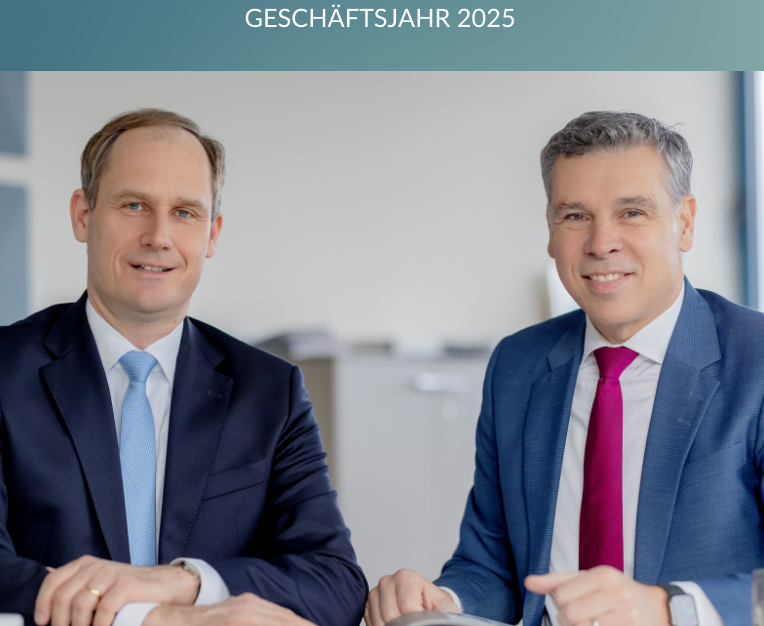
Fiscal Year 2025: Hahn Group Expands Its Market Position
Fiscal Year 2025: Hahn Group Expands Its Market Position
The Hahn Group is drawing a distinctly positive conclusion for the 2025 financial year. The asset and investment manager accelerated its growth and laid the foundation for further sustainable growth by launching new fund strategies. In addition to high capital demand, the investment focus was expanded for the first time to selected Southern European markets.
Read article Sales launch: Hahn Pluswertfonds 185 invests in Mannheim
Sales launch: Hahn Pluswertfonds 185 invests in Mannheim
The Hahn Group, via its capital management company DeWert Deutsche Wertinvestment GmbH, has launched a new closed-end retail AIF. The real estate fund „Hahn Pluswertfonds 185 – Fachmarktzentrum Mannheim“ is investing a total volume of around 54 million euros in an established retail property in Mannheim, Baden-Württemberg.
Read article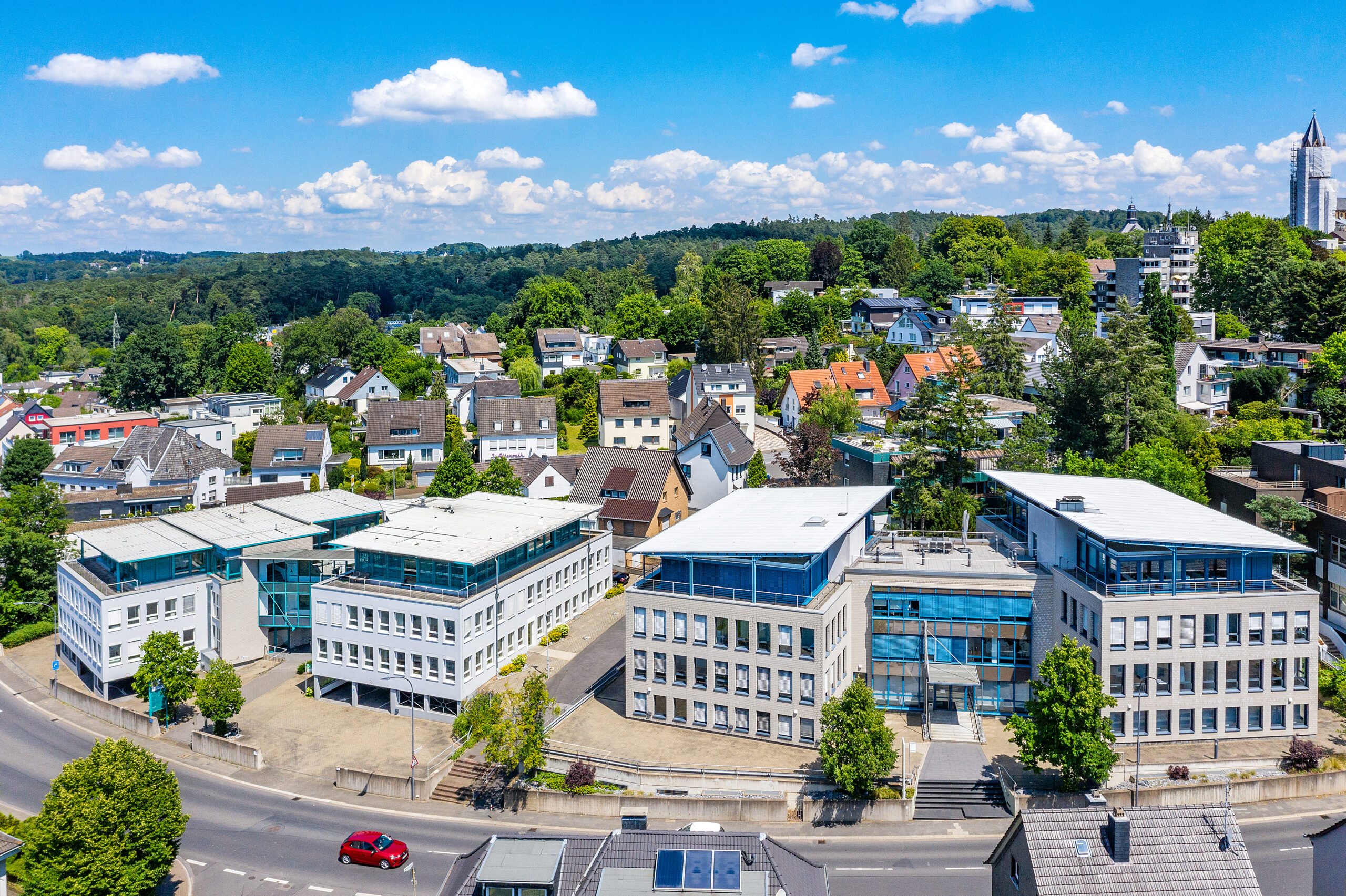
Hahn Group wins management mandate
Hahn Group wins management mandate
The Hahn Group has been awarded a mandate for the portfolio, asset and property management of an institutional real estate portfolio. This comprises 42 retail properties in Germany with a real estate value of over 300 million euros. The investors in the Luxembourg fund structure are several occupational pension schemes that have been invested together since the fund was launched in 2016.
Read articleOUR
Glossary.
OUR
Download Center.